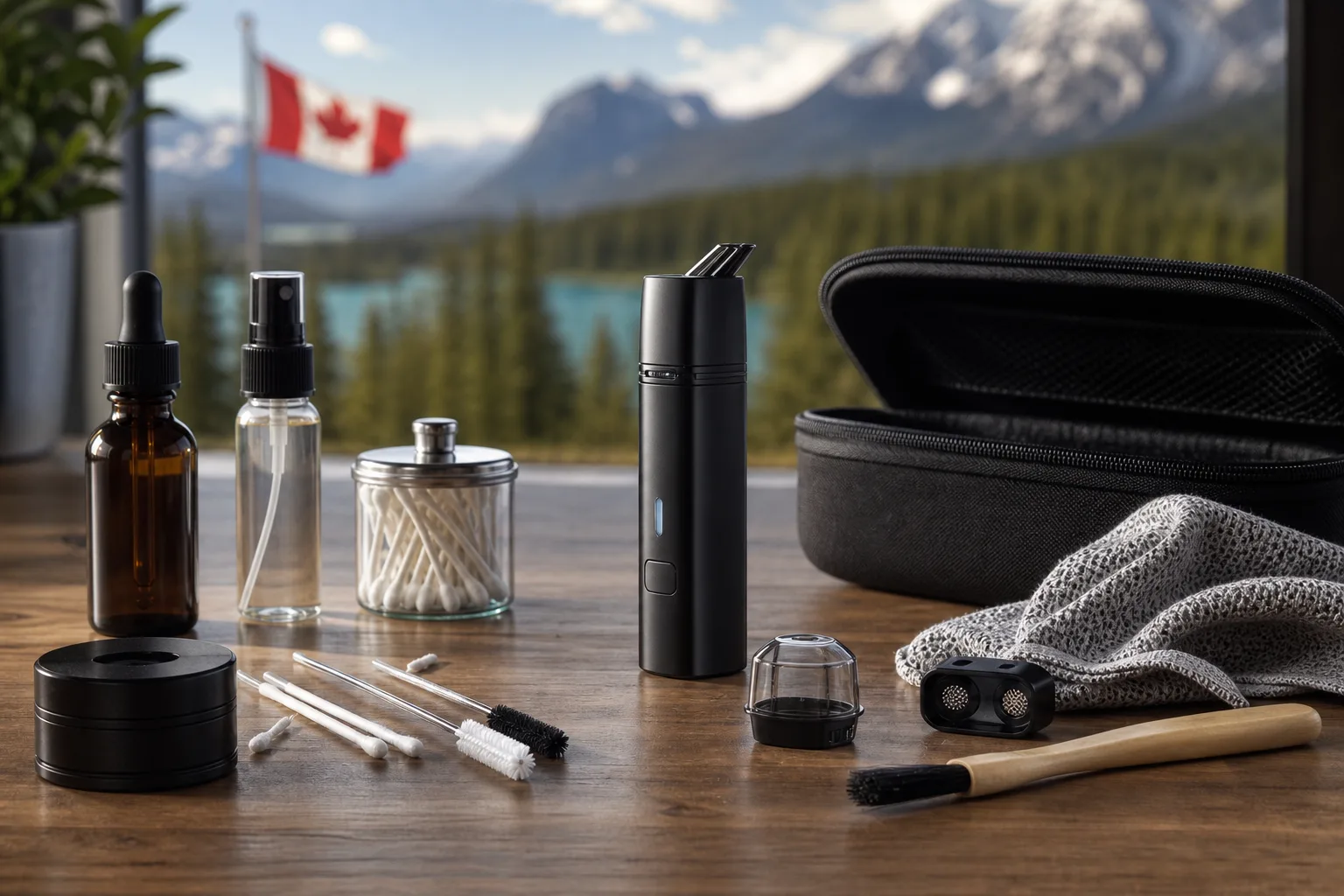
Cannabis Vaporizer Smell Control Checklist
You finish a session, place the portable vaporizer in your jacket, and walk into a shared home. Later, the mouthpiece still smells on the car console, or the storage case carries an odour into the room. This cannabis vaporizer smell control checklist starts with those sources: residual herb, concentrate reclaim, warm components, and contaminated accessories can all contribute after visible vapour has cleared. That can affect housemates, passengers, neighbours, and your approach to local rules.
Most cannabis consumers don’t have only a vapour problem. They have a source-control problem. This guide separates likely sources for dry herb vaporizers, extract pens, electric dab devices, and glassware, then matches each with a practical storage or maintenance step. PlanetHaze carries compatible vaporizers, replacement parts, and maintenance accessories, although compatibility still needs checking before purchase. A repeatable device-by-device routine can reduce lingering odour without promising complete discretion.
Control the Source Before Covering the Smell
Masking cannabis odour can make your room, car, or jacket smell like two things instead of one. You may cover the mouthpiece while hot air paths, residue, or a used storage case continue releasing odour.
Lower odour isn’t no odour. A shared Canadian space still deserves consideration, even when a session seems mild. Source control gives you a more reliable routine than adding another scented product.

Why Lower Odour Still Needs a Control Plan
Health Canada identifies terpenes as the main molecules behind cannabis odour. You may notice spicy, floral, fruity, earthy, skunky, or pungent notes because different products and sessions release different combinations.
“The terpenes that cause cannabis-related odours are not known to be directly harmful to human health,” according to Health Canada.
A competitor-reported estimate places vapour odour at around 25% of smoke’s strength, but that is an estimate, not a universal measurement. You can still bother other people, especially indoors, in vehicles, or around shared belongings.
The Four Sources to Check Before and After a Session
| Odour source | Control point | Why it matters |
|---|---|---|
| Exhaled vapour | Where you use the device | Airflow carries odour beyond the device. |
| Hot air paths | Mouthpiece and cooling path | Warm surfaces can release lingering notes. |
| Residue and already-vaped material | Chamber, screen, and waste container | Old material continues to smell after a session. |
| Contaminated storage | Case, pouch, and accessories | Odour transfers to nearby fabric and surfaces. |
The Practical Rule: Reduce, Contain, and Clean
Health Canada notes that cannabis odour nuisances may fall under local, provincial, or territorial authorities. Reduce exposure by controlling the source, containing used parts, and cleaning residue rather than relying on fragrance.
Practical rule: Reduce the source first, contain the device and accessories, then clean what remains.
If storage is the weak point, the guide to packing a vaporizer travel case follows the same routine. PlanetHaze carries cases and maintenance accessories, although each item still needs to match your device.
Match the Control Method to Your Vaporizer Type
To control smell effectively, find the part holding the odour. Check for a dry herb chamber, a sticky cartridge connection, warm dab hardware, or a case that absorbed residue from an earlier session.
Different devices leave residue in different places, so one cleaning method won’t suit every format. Identify the source first, then choose a compatible action for your vaporizer, glassware, or accessory.

Portable Dry Herb Vaporizers
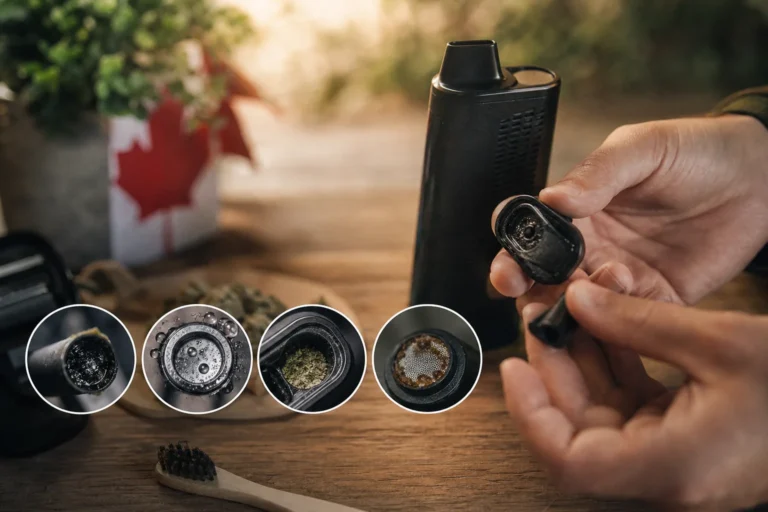
If you use a portable dry herb vaporizer, inspect the oven or chamber, spent herb, mouthpiece, and airflow path. Let the device cool fully before emptying it, then follow the manual for removable parts and approved cleaning materials. Screens and narrow air channels may also collect fine herb.
You can find portable vaporizers, replacement parts, and cleaning accessories at PlanetHaze, but each item must match your device. A tool suitable for one chamber or seal may damage another.
Extract Vape Pens and Dab Devices
When you use an extract vape pen, check the cartridge or coil area, mouthpiece, threaded connection, and any visible leak or reclaim. Wipe only surfaces approved by the manufacturer, keep the pen upright and cool, and replace a damaged cartridge rather than spreading residue through the battery connection. The guide to why vaporizer replacement parts leak fits this routine when a connection keeps collecting oil.
If you use an electric dab device, inspect more areas. Check the chamber, atomizer, glass attachment, reclaim, and warm surfaces, allowing every component to cool before cleaning or separating it.
Cases, Glassware, and Loose Accessories
Check your glassware, grinder compartments, loading tools, and storage case if odour remains after you clean the vaporizer itself. Clean compatible removable accessories separately and keep unused dry material away from cleaned hardware.
| situation | better move |
|---|---|
| Your portable dry herb vaporizer smells after a session | Cool and empty the chamber, remove spent herb, then clean the mouthpiece and permitted airflow parts. |
| Your extract vape pen smells around the mouthpiece or connection | Inspect for leaks or residue, wipe only manufacturer-approved surfaces, and store the pen upright and cool. |
| Your electric dab device or glass attachment retains odour | Let every component cool, remove reclaim as directed, clean compatible removable parts, and store glass separately. |
| Your case or grinder smells even after you clean the device | Clean or replace the contaminated accessory and keep dry material separate from the cleaned device. |
Start by finding where the smell remains. Then choose the cleaning and storage action that suits the material, device, and manufacturer’s instructions.
Prepare the Right Cleaning and Storage Route
Before wiping anything, identify the source. You may be smelling fresh vapour around the mouthpiece, already-vaped herb in the chamber, concentrate residue or reclaim, a warm mouthpiece, or an affected case, grinder, or storage pouch.
Your preparation route depends on that source and your device materials. A cool, separated, compatible setup helps you clean the right part without spreading residue or damaging electronics.

Identify the Smell Before Touching the Device
Use your nose and a quick visual check before removing parts. Loose material may be in the chamber, sticky residue may be near an airflow path, or the odour may be inside the storage setup rather than on the vaporizer.
- Fresh vapour: Check the mouthpiece and nearby airflow openings for trapped vapour after the session ends.
- Already-vaped material: Confirm whether spent herb remains in the chamber, oven, or removable insert.
- Concentrate residue: Look for reclaim around the atomizer, cartridge connection, dab tool, or glass attachment.
- Warm mouthpiece: Set the device aside if heat remains, because warmth can intensify the smell during storage.
- Storage setup: Smell the case, pouch, grinder, or container separately to find contaminated accessories.
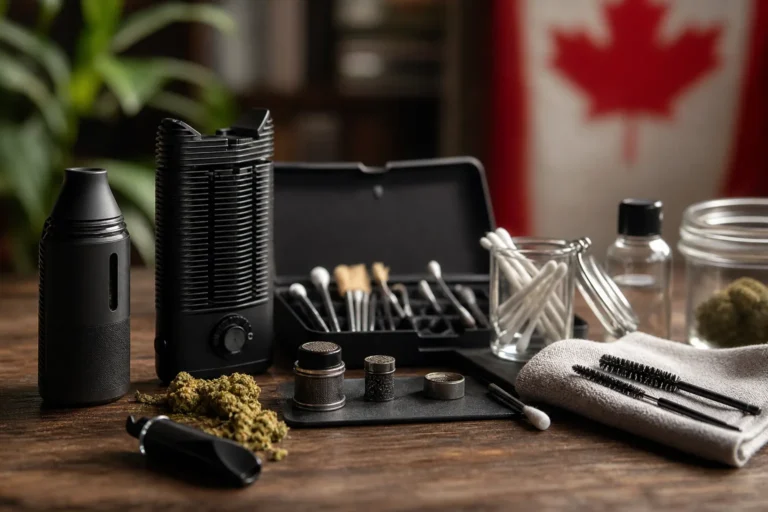
Gather Compatible Cleaning and Containment Supplies
Read your device manual before choosing a brush, swab, tool, cleaning solution, replacement screen, mouthpiece, seal, or storage container. The vaporizer glass adapter compatibility checklist fits this preparation when glass or adapters form part of your setup.
- Manual: Keep the manufacturer’s cleaning and disassembly instructions available.
- Approved tools: Set out only brushes, swabs, tools, and solutions listed as compatible.
- Containment: Prepare a clean, dry place for separated parts and cooled material.
- Replacement parts: Check whether a worn seal, screen, or mouthpiece is holding odour. PlanetHaze support can help identify compatible cleaning or replacement accessories, although availability varies by device.
Let Heat and Residue Cool Before Storage
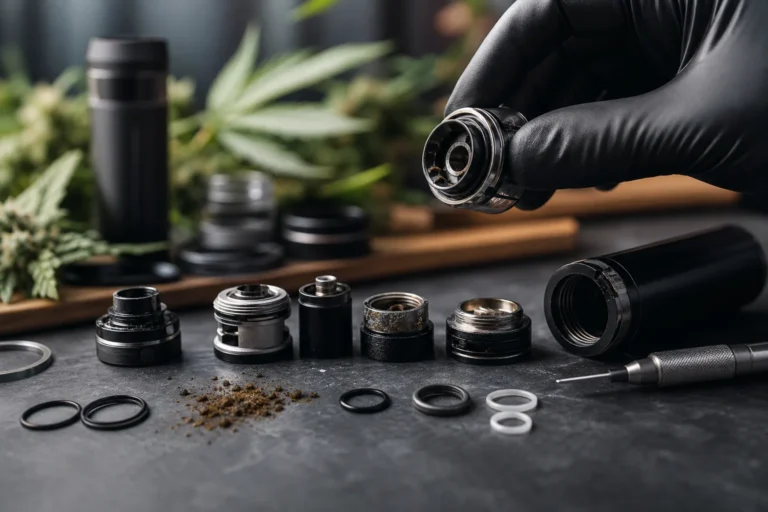
Power down your vaporizer, unplug it if applicable, and wait until every handled part feels fully cool. Separate removable components only as the manual permits. Never immerse batteries or electronics, and never apply solvents to materials the manufacturer does not approve.
Allow loose herb or reclaim to cool before placing it in a container. Don’t seal warm material in an airtight case. Your setup is ready when the device is cool, the parts are separated, and every cleaning and containment supply matches the manufacturer’s instructions.
Cannabis Vaporizer Smell Control Checklist
Once your device and supplies are cool, follow the same order after each session. Reduce the source first, then deal with the parts that hold residue.
The routine is working when output is controlled, the chamber is empty, the permitted air path is clean, and the device stores dry and separate from unused material.

Choose the Least Intense Setting That Meets the Session
Start at the lowest practical heat setting that produces the session you want. Chasing maximum vapour can leave stronger residue around a dry herb chamber, extract pen mouthpiece, or electric dab device.
Before: “Blue Dream vape, maximum heat, repeated draws until vapour fades.”
After: “Arizer Solo II, lower practical heat, measured draws, then stop while output remains controlled.”
Dense output, a sharp lingering smell, or sticky residue near the airflow suggests the setting or session needs adjustment. Terpene-rich vapour may still smell, so lower heat doesn’t guarantee concealment.
Control Exhaled Vapour and Room Airflow
Ventilate near the source where appropriate, such as with an open window or active extraction fan. Keep exhalation away from coats, upholstery, and storage cases. Ventilation can reduce lingering air concentration, but it can’t guarantee discretion.
Empty the Chamber or Cartridge Area Promptly
Let the device cool, then empty spent herb as the manual permits. Inspect an extract pen’s mouthpiece and connection for reclaim, but never treat the whole pen as washable.
Done means no loose herb, visible oil transfer, or sticky reclaim around the connection. A strong chamber smell or fresh residue means the session isn’t finished.
Clean the Mouthpiece and Permitted Air Path
Clean the mouthpiece and accessible air path only with the approved method. For glassware, wait until every part is cool before handling or cleaning. Never immerse batteries or electronics.
Cool, Separate, and Contain the Device
Store the dry device separately from unused herb, concentrates, and dirty accessories in a closed setup. Don’t seal warm material inside a case.
Before: “Warm pen and spent herb together in an open jacket pocket.”
After: “Cool, wiped pen in its closed case, with dry material sealed separately.”
- Heat: The lowest practical setting produced controlled output.
- Air: Exhaled vapour moved away from fabrics and cases.
- Chamber: Spent material and visible residue were removed.
- Air path: The permitted mouthpiece and passage were clean.
- Storage: The device cooled fully and stayed separate from dry material.
Adapt the Routine for Heavy Residue and Shared Spaces
Repeated concentrate use changes the problem. You may clean the mouthpiece and still smell reclaim in the atomizer, chamber, or glass attachment. Shared rooms expose weak storage habits quickly, especially when a case transfers odour back onto an otherwise clean device.
Health Canada states that only indoor commercial licence holders face odour-control requirements under the Cannabis Regulations. Those rules concern commercial production, not personal vaping. Health Canada also specifies no single filtration system for preventing odour escape, so filters, sealed cases, carbon products, and fragrances can’t guarantee concealment.
When Concentrate Residue Becomes the Main Source
After several sessions, reclaim may sit around the atomizer, mouthpiece, or glass connection. Let each compatible part cool, then clean it according to the manufacturer’s instructions. Replace a damaged seal or worn mouthpiece when cleaning no longer removes the smell.
Before: “Sticky extract pen stored after a week of use.” After: “Cooled extract pen with the mouthpiece and permitted air path cleaned after each session.”
When the Case or Glassware Is Holding the Odour
Glass can retain odour after a session, while fabric-lined cases can absorb and return it. Clean the glass separately, allow it to dry fully, and inspect the case before placing a clean device inside. PlanetHaze offers cases, glassware, and replacement accessories, but no storage product removes the need to clean residue.
Before: “Clean vaporizer returned to a case that still smells.” After: “Dry vaporizer stored separately after the case and glass attachment were cleaned and aired.”
What Works
- Residue first: Clean compatible chambers, atomizers, mouthpieces, and glass before adding odour-control products.
- Separate storage: Keep the device away from used material and dirty accessories.
- Ventilation: Use suitable airflow where practical, accepting that it may reduce convenience.
What Fails
- Fragrance alone: It can mix with cannabis odour rather than remove the source.
- Overfilled cases: A case can transfer smell back onto a clean device.
- Delayed maintenance: Leaving reclaim in place increases recurring odour and cleaning time.
The Trade-Off Between Frequent Cleaning and Replacement
More frequent maintenance costs time. Replacement parts cost money. Leaving residue in place creates a recurring problem. For your routine, prioritise residue removal, clean compatible parts, separate storage, then ventilation.
Fix the Failure Before Adding Another Product
You may clean the outside of your vaporizer, add a scented spray, and still notice cannabis odour indoors. That usually means residue remains in the chamber, mouthpiece, airflow path, glassware, or storage case.
Let the symptom identify the missed source before you buy another odour-control product. Correct one failure, retest the device, and then decide whether another accessory is necessary.
The Device Smells Even When It Is Not Running
If your dry herb vaporizer smells while switched off, check for already-vaped herb, chamber residue, or contamination around the mouthpiece and airflow path. The device may also have been stored before it cooled, allowing odour to collect inside the case.
| symptom | likely cause | first fix |
|---|---|---|
| The case smells strongly after the device is stored | The device or chamber was sealed while warm, or the case absorbed previous odour | Cool and empty the device, clean permitted parts, and clean or replace the case before reuse. |
| A dry herb vaporizer still smells when switched off | Already-vaped herb, chamber residue, or a dirty mouthpiece and airflow path | Remove all material and clean the manual-approved chamber, mouthpiece, and airflow components. |
| An extract pen smells around the mouthpiece | Oil residue, reclaim, a leak, or an overfilled cartridge | Stop using it while warm, inspect the connection, and wipe only accessible approved surfaces. |
| A glass piece keeps smelling after cleaning the device | Reclaim or residue remains in the glass or attachment | Cool the glass completely and clean it using a compatible method recommended for that piece. |
| The room smells like fragrance and cannabis | A scented product masked rather than removed the original odour | Remove the scented product, address residue and ventilation, and allow the area to clear naturally. |
The Mouthpiece Smells Stronger Than the Chamber
A stronger mouthpiece odour points towards residue in the path you breathe through, not necessarily a problem with the battery or heater. Follow the device manual, remove only permitted parts, and avoid opening sealed batteries or applying unapproved solvents.
- Overfilling: Too much herb or concentrate can reach screens, seals, threads, and areas that are harder to clean.
- Extract residue: Reclaim around an extract pen or electric dab device may indicate a leak, an overfilled cartridge, or a connection that needs inspection.
- Accessory contamination: A mouthpiece, bubbler, or glass attachment can keep returning odour after you clean the main device.
The Case and Accessories Keep Reintroducing Odour
If a cleaned device smells again after storage, the case may have absorbed previous odour or the device may have been packed warm. Cool and empty the vaporizer first, clean compatible surfaces, and let everything dry before storage.
- Fragrance mixing: Scented products can leave you with a room that smells like fragrance and cannabis rather than a genuinely clean area.
- Retest first: After correcting one source, store the device separately and check it again later. Persistent odour usually points to missed residue, a damaged seal, a contaminated accessory, or incomplete cooling and cleaning.
Verify the Result With a Simple Before-and-After Check
A clean device can still seem odorous if you judge it in different conditions. Use the same room, device, material type, session size, and ventilation for both checks. You’ll get a clearer comparison without relying on how long someone says the smell should last.
Check the device only when it is cool enough to handle. A good result means less odour at every identified source, not complete invisibility or a guaranteed discreet experience.
Record the Four Sources Before the Session
Before cleaning, pause in the same location and note the odour at four points. Keep the notes simple, such as “strong,” “noticeable,” or “faint.” Compare the same points after the device has been emptied, cleaned, dried, and stored separately.
- Mouthpiece: Check whether the opening smells of fresh vapour, herb, or concentrate residue.
- Chamber or atomizer: Inspect for material, reclaim, or residue that may hold the strongest odour.
- Storage case: Smell the case separately, especially around fabric, foam, seams, and pockets.
- Nearby fabric or surface: Check the jacket, car console, table, or other place where the device rested.
Weak check: A user cleans a dry herb vaporizer, moves it to another room, opens a window, and decides the odour has disappeared. Strong check: The user repeats the same room, ventilation, session size, and four-point inspection after the device and case are fully cool and dry.
Repeat the Check After Cleaning and Storage
Remove the material, clean permitted parts according to the device instructions, and let each component dry fully. Store the clean device apart from the case during the first retest, then inspect the case after it has had time to air out. Less odour from each source shows that your routine addressed the actual cause.
Escalate One Source at a Time When Odour Remains
If one point still smells, avoid adding fragrance or changing several steps at once. Check remaining residue first, inspect the storage setup next, then examine the airflow path and seals. If cleaning can’t restore a worn or contaminated part, PlanetHaze may offer compatible accessories, although compatibility depends on your vaporizer model.
Answers About Cannabis Vaporizer Smell Control
Vaporizer odour is usually easier to manage when you address the device, material, and surrounding air separately. You may notice less smell than with combustion, but vapour can still be noticeable in a shared home, vehicle, workplace, or other enclosed setting.
Your result depends on the vaporizer design and the session itself. Temperature, airflow, material quantity, residue, and room conditions all affect how much odour remains, so no method guarantees a smell-free experience.
How to Control Vaporizer Smell
Control vaporizer smell by reducing the source before storing the device or leaving the area. Use a measured session, avoid excessive heat and overfilling, and ventilate near the device rather than spreading vapour through the room. Once the vaporizer is cool, empty the chamber or cartridge area, clean only permitted parts, and store the dry device separately from your cannabis material.
Whether Vaporizer Smell Control Methods Work
Yes, smell-control methods can reduce odour when you identify and treat the part holding it. A clean mouthpiece won’t solve residue inside a chamber, atomizer, or glass attachment. Results may vary with terpene profile, temperature, session size, airflow, device design, and room ventilation. These methods reduce lingering smell, but they can’t promise complete odour removal.
Ways to Reduce Vaporizer Smell
Use a short routine: cool the device, empty removable material, clean the permitted contact parts, separate the device from its case, store everything dry, and verify the result later. Keep cannabis and accessories contained when you’re finished, especially around shared spaces. For device-specific instructions, follow this cannabis vaporizer smell control checklist and your manufacturer’s guidance.
Start With One Clean Device and One Storage Habit
You don’t need another scented product to begin. You need one repeatable routine that identifies where the odour remains, follows your device’s permitted cleaning route, and keeps warm material away from enclosed storage.
Source control beats masking because residue stays attached to the parts you carry. Start with one page: your device manual’s instructions for cleaning, charging, removable parts, and material compatibility.
Identify the Strongest Source
Check the mouthpiece, chamber, case, grinder, glassware, and nearby surface in that order. You can usually find the strongest source by smelling each cool part separately instead of treating the entire setup as one object.
Complete the Device-Specific Cleaning Route
Use the manual before removing seals, screens, or atomizer parts. Never immerse electronics, seal warm material, or treat accessories as interchangeable without checking compatibility.
Before: You finish a session at a high heat setting with a full chamber, then close the warm device in its case.
After: You use a lower practical heat setting and a measured amount, empty the device, let it cool fully, and clean only the permitted contact parts.
Change the Storage Habit
- Separate the device: Keep the cool vaporizer apart from loose material and its case.
- Separate accessories: Store glassware, the grinder, screens, and containers according to their residue and compatibility.
- Keep everything dry: Close clean storage only after each part is dry and free from loose material.
- Replace worn parts: PlanetHaze offers replacement mouthpieces, screens, containers, cleaning accessories, and other compatible parts when your inspection finds damage.
Recheck Before the Next Session
- Find the source: Identify whether the mouthpiece, chamber, case, accessory, or nearby surface carries the strongest smell.
- Choose the route: Follow the manual’s device-specific instructions before cleaning or disassembly.
- Control the session: Use a lower practical heat setting and measured amount that suits your material and device.
- Empty and cool: Remove spent material and wait until the device is cool before storage.
- Clean permitted parts: Wipe or service only components the manufacturer allows you to clean.
- Store separately: Keep the device, material, glassware, grinder, and case apart as appropriate.
- Verify the result: Check the mouthpiece, chamber, case, and nearby surfaces before your next session.
Reduction is the realistic goal, not a promise of complete discretion. Your first purchase can wait until your manual, one cleaning task, and one dry storage habit show what actually needs fixing.
If you want a faster way to maintain your setup, PlanetHaze offers vaporizers, dab devices, glassware, grinders, replacement parts, and cleaning accessories for adult Canadian consumers. You can also find practical vaporizer-use and maintenance guidance in the PlanetHaze educational content, helping you choose compatible products without treating odour control as a promise of complete discretion.